9
Sites Launched
K2 Sports needed to escape a failing Demandware stack without losing what made each brand distinct. Marketing wanted nine storefronts with their own identity. Finance and operations wanted one engine underneath all of them. I led the program and solution architecture that resolved both: a headless multi-brand model with BigCommerce handling commerce, WordPress and Contentstack owning the front end, and Avante plus Quivers as the source of truth for inventory and fulfillment.
This was a forced replatform, but it became something much more valuable. I turned a brittle migration problem into a reusable headless commerce pattern that let nine K2 brands share one backend engine while still preserving brand-specific front ends, regional logic, and business-user control.


Demandware was sunsetting, reconciliation across systems was too manual, and nobody had a clean answer for how Quivers, Avante, payments, CMS, SEO, and nine storefronts were supposed to work together in SaaS. The business needed a model that could move at speedboat speed without turning headless commerce into an engineering science project.
I owned the multi-brand architecture, integration strategy, program execution, and the political work required to get 9 storefronts moving on one clean model. I was the architecture lead, the traffic cop, the SEO & cutover risk manager, and the one person pulling the right people together to make the hard calls.
K2 didn’t need another platform swap. It needed a multi-store, multi-brand ecosystem built from scratch that could serve marketing, finance, and operations without forcing BigCommerce to do an ERP’s job.
We gave K2 a cleaner operating model, faster storefront creation, faster content velocity, and less dependence on engineering.
Demandware was sunsetting and K2 Sports had nine storefronts, no migration plan, and a stack where Quivers, Avante, payments, CMS, and SEO had never cleanly worked together. Marketing wanted every brand to keep its own identity. Finance and operations wanted one reliable engine underneath all of them. Those two requirements had never coexisted on the old platform, and nobody had a clear answer for how to make them coexist on the new one.
The headless path was the right call, but headless done wrong just trades one maintenance problem for another. The architecture had to be opinionated enough to give operations one engine to manage, and flexible enough to let nine brands look and behave like nine different companies. That balance doesn't happen by accident.
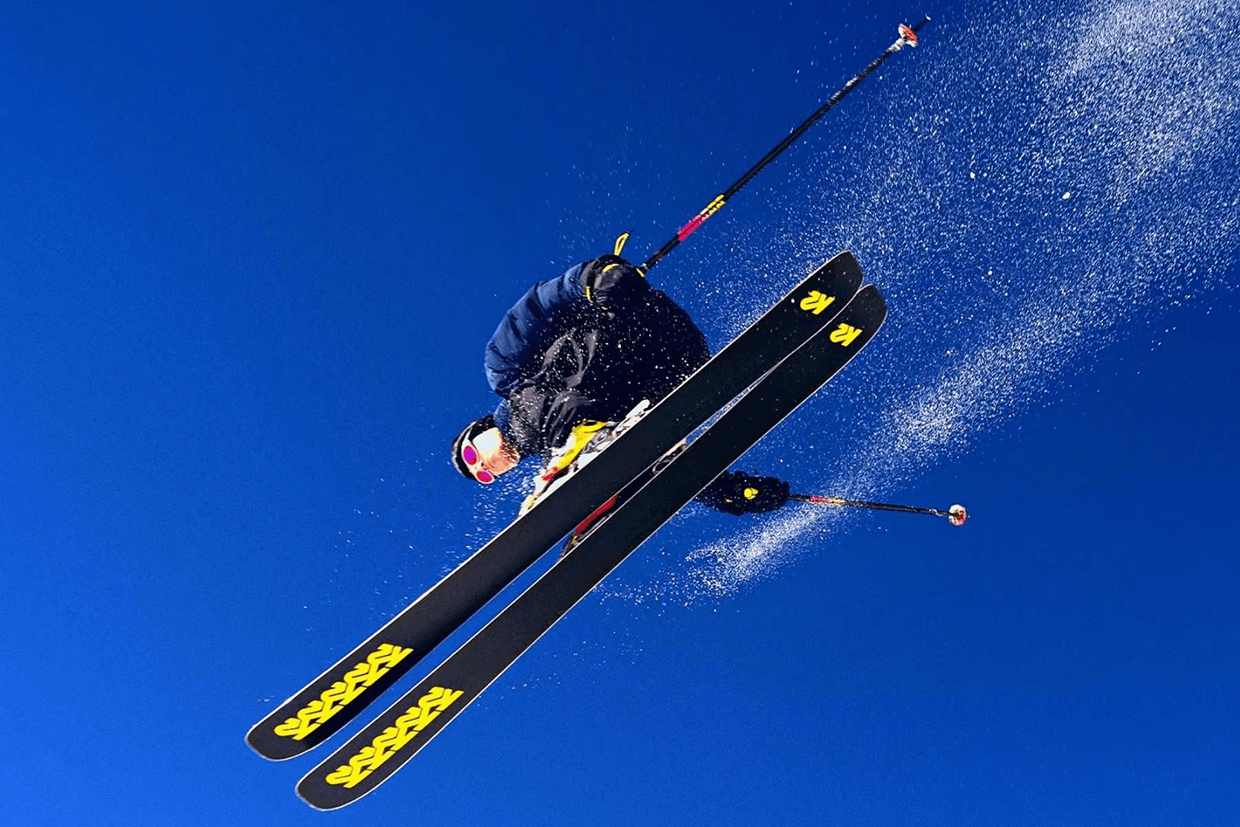
K2 Sports is a visual-first brand.
I owned the multi-brand architecture, integration strategy, and program execution across nine storefronts and a four-person team. That meant making the hard calls on what went where, keeping the vendors aligned on a shared model, and managing the SEO and cutover risks that could have handed the business a traffic crater on launch day.
Designed one shared BigCommerce engine that let nine storefronts operate independently on the front end without creating nine separate maintenance problems on the back end.
Defined what lived in Avante, what lived in Quivers, and what lived in BigCommerce so every system knew its job and data didn't contradict itself across storefronts.
Mapped redirect strategy, URL structure, and DNS routing across nine domains so the migration off Demandware didn't hand a traffic loss to the business on launch day.
Resolved how Quivers, Avante, payments, and CMS connected to the commerce layer without creating the same reconciliation mess K2 was trying to escape.
Owned cutover sequencing across nine storefronts, coordinated the right stakeholders at the right decision points, and kept the program moving without letting brand politics or vendor disagreements stall the timeline.
I designed a model where one commerce backend powered multiple brand experiences. BigCommerce ran commerce. WordPress and Contentstack ran the front end. Avante and Quivers stayed the source of truth.
Loading architecture diagram...
This wasn’t a simple headless commerce build. It was a multi-store system made to feel like one clean brand experience. The challenge was keeping the architecture disciplined enough for finance and operations while still giving each brand room to feel distinct.
We gave K2 a cleaner operating model, faster storefront creation, faster content velocity, and less dependence on engineering.
Demandware was dying + K2 had no clean multi-brand SaaS plan.
I built the architecture pattern that let 9 storefronts share one backend commerce model instead of fragmenting into separate implementation projects.
9 sites launched in under 9 months on one reusable headless pattern.
Reconciliation across systems was too manual & noisy.
I made sure Avante & Quivers remained the source of truth so the business could scale without breaking data discipline or inventing fake system ownership.
Site publishing accelerated by 90%.
Marketing flexibility & operations were pulling in opposite directions.
I pulled the right people together to deliver two custom, platform-wide BigCommerce integrations and a headless experience layer that could move fast without collapsing into chaos.
K2 gained more control w/o engineering bottlenecks.
The proof is simple: the pattern held up, BigCommerce reused it, and it kept showing up publicly as a model for multi-brand headless commerce.
A quick look at two studies with shared themes in scale, operating model, and brand velocity...
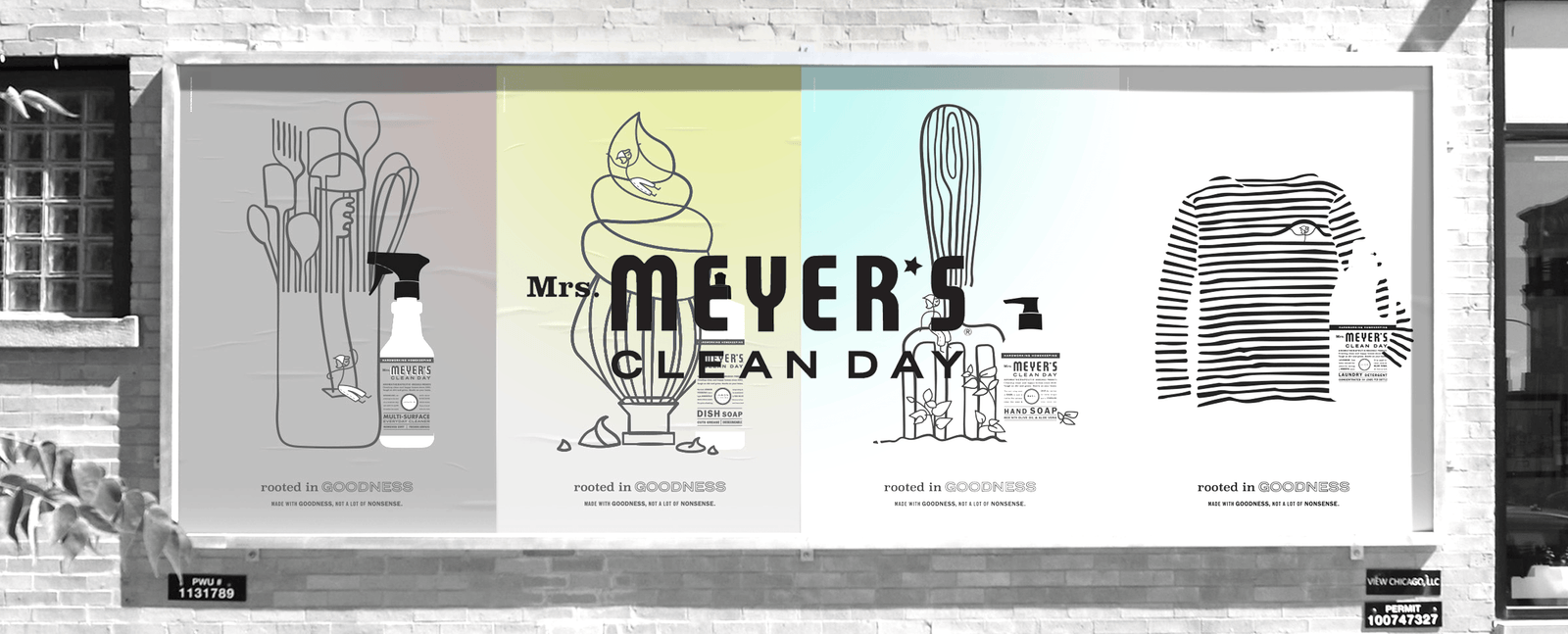
A direct-to-consumer launch that turned a home-care brand into a repeatable commerce pattern.
A composable commerce operating model that made brand growth repeatable across the portfolio.